Autor: ferch.barba@gmail.com

  • TURP: Surgical Treatment for Prostate Enlargement

    TURP: Surgical Treatment for Prostate Enlargement

    ☎️ Appointments: 9995 14 31 65

    ✉️ Mail: info@prostasur.mx

    Mérida, Yucatán 

    Blog Prostasur

    Urology clinic for men
    TURP: Surgical Treatment for Prostate Enlargement

    Introduction

    Benign prostate enlargement, also known as benign prostatic hyperplasia (BPH), is a common condition in men over 50 years of age. As the prostate increases in size, it can compress the urethra and cause different urinary symptoms that affect quality of life.

    Among the most commonly used treatments for this condition is TURP (Transurethral Resection of the Prostate), which has been considered for many years the gold standard surgical treatment for benign prostatic hyperplasia.

    What is the prostate?

    The prostate is a gland of the male reproductive system located below the bladder and surrounding the urethra. Its main function is to produce part of the seminal fluid.

    Over time, this gland may naturally enlarge, causing difficulty urinating and other urinary symptoms.

    What is benign prostatic hyperplasia?

    Benign prostatic hyperplasia (BPH) is a non-cancerous enlargement of the prostate. It is a very common condition associated with aging.

    The most common symptoms include:

    • Decreased urinary stream strength and caliber.
    • Difficulty starting urination.
    • Sensation of incomplete bladder emptying.
    • Frequent urination.
    • Waking up several times at night to urinate.
    • Urinary urgency.
    • Dribbling after urination.

    In more advanced cases, obstruction may lead to urinary tract infections, urinary retention, bladder stones, or kidney damage.

    What is TURP?

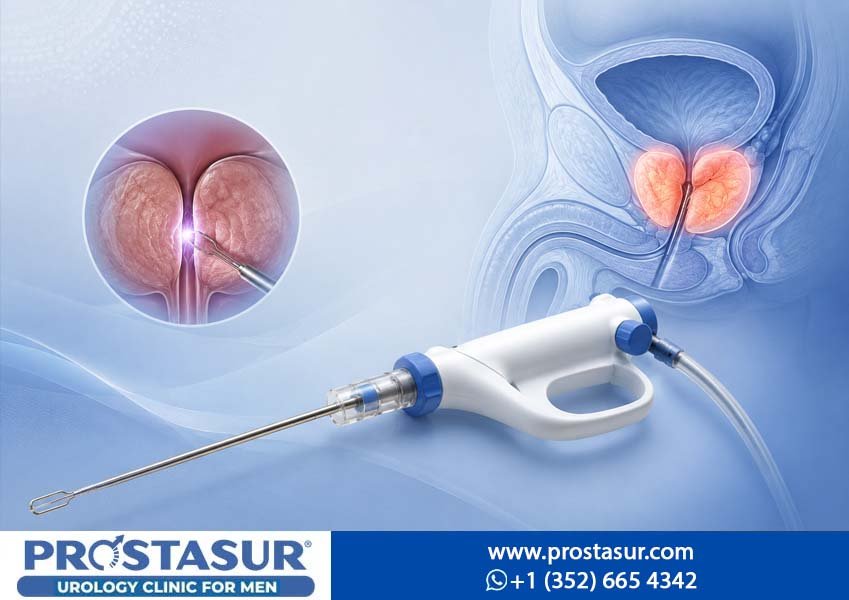
    TURP (Transurethral Resection of the Prostate) is a minimally invasive surgical procedure performed through the urethra without the need for external incisions.

    During the surgery, the urologist inserts an instrument called a resectoscope through the penis until reaching the prostate. Using electrical energy, the obstructive prostate tissue is removed to improve urine flow.

    The main objective is to improve urination and relieve urinary symptoms.

    When is TURP recommended?

    TURP is usually recommended for patients who present:

    • Moderate to severe urinary symptoms.
    • Poor response to medical treatment.
    • Urinary retention.
    • Recurrent urinary tract infections.
    • Urinary bleeding related to the prostate.
    • Kidney damage secondary to obstruction.
    • Presence of bladder stones.

    The decision should always be individualized according to the patient’s age, prostate size, overall health, and quality of life.

    How is the procedure performed?

    The surgery is generally performed under regional or general anesthesia.

    Procedure steps:

    1. Introduction of the resectoscope through the urethra.
    2. Direct visualization of the prostate.
    3. Resection of the obstructive prostate tissue.
    4. Coagulation of blood vessels to reduce bleeding.
    5. Temporary placement of a urinary catheter.

    The average duration of the procedure usually ranges from 60 to 90 minutes depending on the size of the prostate.

    Recovery after TURP

    After surgery, the patient usually remains hospitalized for 1 to 3 days.

    A urinary catheter is commonly placed during the first hours or days to facilitate urine drainage and prevent obstruction from blood clots.

    During recovery, patients may experience:

    • Mild burning during urination.
    • Blood in the urine.
    • Temporary increase in urinary frequency.
    • Urinary urgency.

    Most patients experience significant improvement in urinary flow within a few weeks after the procedure.

    Benefits of TURP

    Among the main advantages of TURP are:

    • Significant improvement in urinary symptoms.
    • Increased urinary flow.
    • Reduction of urinary retention.
    • Procedure without external incisions.
    • Relatively fast recovery.
    • Long-lasting results.

    Risks and possible complications

    Like any surgical procedure, TURP may involve some complications, although many are uncommon.

    These may include:

    • Bleeding.
    • Urinary tract infection.
    • Urethral stricture.
    • Temporary urinary incontinence.
    • Retrograde ejaculation.
    • Erectile dysfunction (less common).
    • Need for future reintervention.

    It is important for the patient to undergo a complete medical evaluation before the procedure.

    TURP vs other treatments

    Currently, there are other surgical options available for the treatment of prostate enlargement, such as:

    • HoLEP (Holmium Laser Enucleation of the Prostate).
    • GreenLight laser.
    • Aquablation.
    • UroLift.
    • Open prostatectomy.

    However, TURP continues to be a widely used technique because of its effectiveness and the extensive experience accumulated over decades.


    Remember that at Prostasur, a urology clinic, we are here to serve you.

    ☎️ Appointments: 9995 14 31 65

    ✉️ Mail: info@prostasur.mx

    Prostasur

    COFEPRIS 213301202A0698
  • HoLEP: The Laser Surgery Transforming the Treatment of Enlarged Prostate

    HoLEP: The Laser Surgery Transforming the Treatment of Enlarged Prostate

    ☎️ Appointments: 9995 14 31 65

    ✉️ Mail: info@prostasur.mx

    Mérida, Yucatán 

    Blog Prostasur

    Urology clinic for men

    HoLEP: The Laser Surgery Transforming the Treatment of Enlarged Prostate

    As men age, it becomes quite common to experience urinary problems: waking up several times during the night to urinate, difficulty starting urination, feeling unable to completely empty the bladder, or having a weak urinary stream. Although many people believe this is simply “normal with age,” it is often related to a condition called benign prostatic hyperplasia (BPH), a non-cancerous enlargement of the prostate.

    Among the most advanced treatments for this condition is HoLEP, a minimally invasive technique that has gained worldwide recognition for its effectiveness, fast recovery, and long-lasting results.

    What is HoLEP?

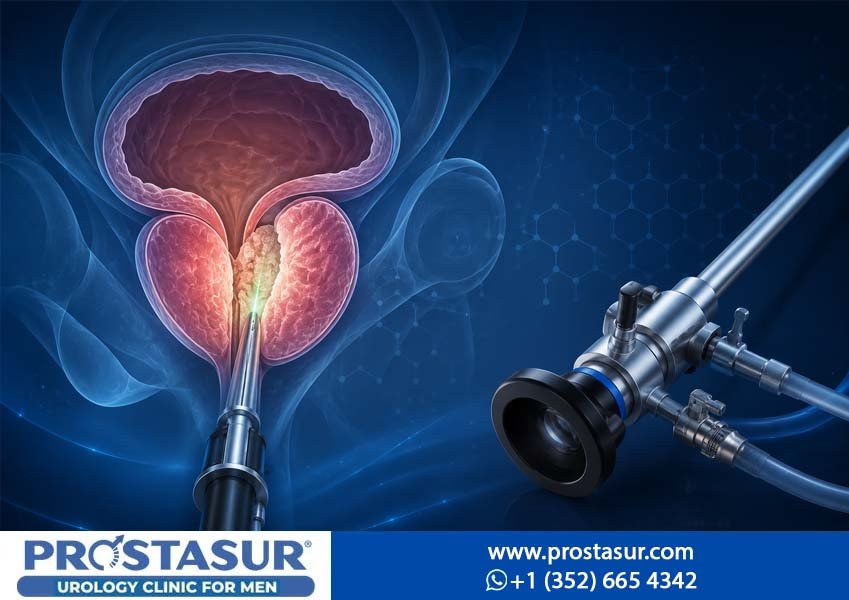
    HoLEP stands for Holmium Laser Enucleation of the Prostate. It is a surgical procedure that uses a highly precise laser to remove the prostate tissue blocking the flow of urine.

    Unlike traditional surgeries, HoLEP does not require external incisions. The entire procedure is performed through the urethra using endoscopic instruments and laser technology.

    The primary goal is to relieve the obstruction caused by the enlarged prostate, allowing urine to flow normally again.

    Why Does an Enlarged Prostate Cause Problems?

    The prostate surrounds the urethra, the tube through which urine exits the bladder. When the prostate increases in size, it begins to compress this channel, creating urinary symptoms that can significantly affect quality of life.

    Some of the most common symptoms include:

    • Frequent urination.
    • Waking up several times during the night to urinate.
    • Difficulty starting urination.
    • Weak urinary stream.
    • Feeling of incomplete bladder emptying.
    • Urinary urgency.
    • Recurrent urinary tract infections.
    • Urinary retention.

    In advanced cases, benign prostatic hyperplasia can lead to bladder damage and may even affect kidney function.

    How Does the Procedure Work?

    During surgery, the specialist inserts a thin instrument through the urethra. The holmium laser then carefully separates the obstructive prostate tissue from the prostate capsule.

    Once detached, the tissue is fragmented and removed from the bladder. This opens the urinary channel and significantly improves urine flow.

    The surgery usually lasts between one and three hours, depending on the size of the prostate.

    Main Advantages of HoLEP

    One of the reasons HoLEP has become so popular is because of its multiple advantages compared to traditional techniques.

    1. Minimally Invasive

    It does not require external incisions, which reduces postoperative pain and speeds up recovery.

    1. Less Bleeding

    The laser seals blood vessels during the procedure, significantly reducing the risk of bleeding.

    1. Faster Recovery

    Many patients are able to return home the next day, and some even on the same day.

    1. Effective for Large Prostates

    Unlike other procedures, HoLEP is highly effective even for very large prostates.

    1. Long-Lasting Results

    Because a substantial amount of prostate tissue is removed, the chances of needing another surgery in the future are low.

    1. Shorter Catheter Time

    In most cases, the urinary catheter is removed within 24 hours.

    Who Are Candidates for HoLEP?

    HoLEP is generally recommended for men with moderate to severe urinary symptoms caused by benign prostatic hyperplasia, especially when:

    • Medications are no longer effective.
    • Urinary retention is present.
    • Recurrent urinary tract infections occur.
    • Bladder stones are present.
    • There is urinary bleeding.
    • The prostate is significantly enlarged.

    It is also commonly recommended for patients with a high risk of bleeding or those taking blood thinners.

    Recovery After Surgery

    Recovery is usually faster compared to other prostate procedures.

    During the first few days, it is normal to experience:

    • Burning sensation during urination.
    • Mild blood in the urine.
    • Increased urinary frequency.
    • Urgency to urinate.

    These symptoms typically improve progressively over the following weeks.

    Doctors generally recommend:

    • Drinking plenty of water.
    • Avoiding intense physical activity.
    • Not lifting heavy objects.
    • Temporarily avoiding sexual activity.
    • Following medical instructions carefully.

    Possible Side Effects and Risks

    Although HoLEP is considered a safe procedure, like any surgery, it may involve some complications.

    The most common include:

    • Retrograde ejaculation.
    • Temporary urinary incontinence.
    • Urinary tract infection.
    • Mild bleeding.
    • Urinary burning.

    In most cases, these symptoms are temporary and improve over time.

    A New Stage in Men’s Urinary Health

    For years, many men normalized urinary symptoms that affected their sleep, energy, and quality of life. Today, thanks to technological advances, there are less invasive and far more effective treatments available.

    HoLEP represents one of the most modern options for treating an enlarged prostate, offering faster recovery, fewer complications, and a better quality of life for thousands of patients.

    The most important thing to remember is that urinary symptoms should never be ignored. Consulting a specialist can make a significant difference in long-term health and well-being.

    Remember that at Prostasur, a urology clinic, we are here to serve you.

    ☎️ Appointments: 9995 14 31 65

    ✉️ Mail: info@prostasur.mx

    Prostasur

    COFEPRIS 213301202A0698
  • Holmium Laser Surgery for Prostate Enlargement

    Holmium Laser Surgery for Prostate Enlargement

    ☎️ Appointments: 9995 14 31 65

    ✉️ Mail: info@prostasur.mx

    Mérida, Yucatán 

    Blog Prostasur

    Urology clinic for men

    Holmium Laser Surgery for Prostate Enlargement

    (A modern, safe, and effective alternative)

    What is prostate enlargement?

    Benign prostate enlargement, medically known as Benign Prostatic Hyperplasia, is a very common condition in men over 40–50 years old. It involves an increase in the size of the prostate, which can compress the urethra and make urination difficult.

    Most common symptoms:

    • Difficulty starting urination
    • Weak urinary stream
    • Feeling of incomplete bladder emptying
    • Increased frequency of urination (especially at night)
    • Urinary urgency

    When these symptoms significantly affect quality of life and do not improve with medication, surgical treatment is considered.

    What is holmium laser surgery?

    Holmium laser surgery, known as Holmium Laser Enucleation of the Prostate, is a minimally invasive technique used to treat prostate enlargement.

    It uses a specialized laser (Holmium Laser) to remove the prostate tissue that is blocking urine flow.

    How is the procedure performed?

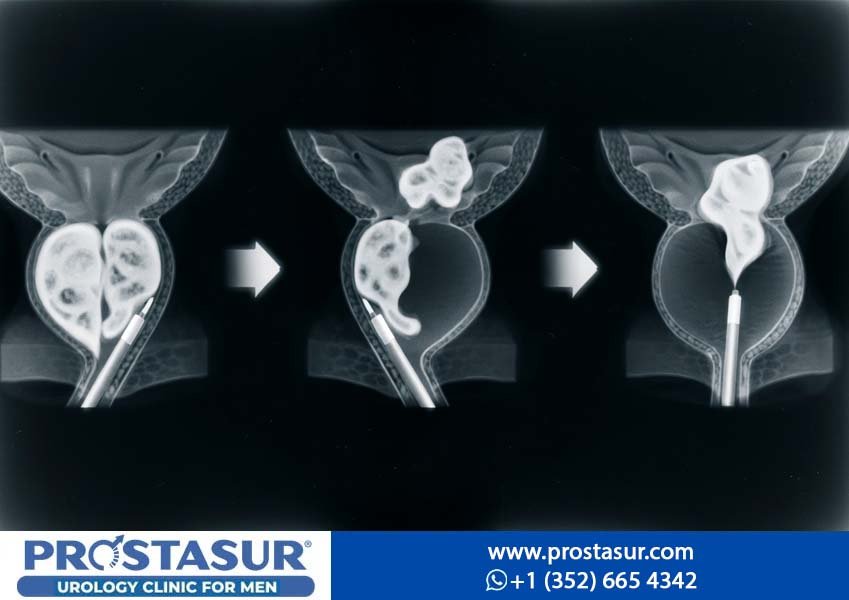
    • An endoscope is inserted through the urethra (no external incisions).
    • The laser separates and cuts the enlarged prostate tissue.
    • The tissue is fragmented and removed from the bladder.

    The entire procedure is performed under anesthesia and usually lasts between 1 and 2 hours, depending on prostate size.

    Advantages of holmium laser surgery

    This technique has gained popularity due to several benefits compared to traditional procedures such as TURP:

    1. High effectiveness

    It completely removes obstructive tissue, reducing the need for reoperation.

    1. Less bleeding

    Ideal for patients taking anticoagulants or with higher surgical risk.

    1. Faster recovery
    • Shorter hospital stay
    • Earlier catheter removal
    1. Suitable for large prostates

    Unlike other techniques, it can be used even in very large prostates.

    Risks and possible side effects

    Although it is a safe procedure, some effects may occur:

    • Burning sensation during urination (temporary)
    • Mild urinary incontinence (usually temporary)
    • Retrograde ejaculation (common)
    • Urinary tract infection

    Most of these effects are temporary and improve over time.

    Who are candidates?

    This procedure is indicated for patients with:

    • Moderate to severe symptoms of prostate enlargement
    • Poor response to medical treatment
    • Urinary retention
    • Recurrent urinary tract infections
    • Bladder or kidney damage due to obstruction

    Recovery

    After surgery:

    • Patients can go home within 24–48 hours
    • It is recommended to avoid intense physical activity for 2–3 weeks
    • Improvement in urinary flow is usually immediate

    Remember that at Prostasur, a urology clinic, we are here to serve you.

    ☎️ Appointments: 9995 14 31 65

    ✉️ Mail: info@prostasur.mx

    Prostasur

    COFEPRIS 213301202A0698
  • HPV Vaccine: A Key Tool in Cancer Prevention

    HPV Vaccine: A Key Tool in Cancer Prevention

    ☎️ Appointments: 9995 14 31 65

    ✉️ Mail: info@prostasur.mx

    Mérida, Yucatán 

    Blog Prostasur

    Urology clinic for men

    HPV Vaccine: A Key Tool in Cancer Prevention

    The Human Papillomavirus (HPV) is one of the most common sexually transmitted infections worldwide. It is estimated that most sexually active people will come into contact with this virus at some point in their lives. While many infections go away on their own, some can lead to serious diseases, including cancer.

    The good news is that there is a highly effective tool to prevent its consequences: the HPV vaccine.

    What is HPV?

    HPV is a group of more than 200 related viruses. Some types are considered low-risk and can cause genital warts, while others are high-risk and are associated with several types of cancer, such as:

    • Cervical cancer
    • Anal cancer
    • Penile cancer
    • Throat cancer (oropharyngeal)

    Among the most dangerous types are HPV 16 and 18, which are responsible for most cases of cervical cancer.

    What is the HPV vaccine?

    The HPV vaccine is a preventive measure designed to protect against the types of the virus that most commonly cause cancer and genital warts.

    It does not contain live virus, so it cannot cause infection. Its function is to train the immune system to recognize and fight the virus before it can cause harm.

    Who should get vaccinated?

    The vaccine is mainly recommended for:

    • Girls and boys aged 9 to 14 (ideally before the start of sexual activity)
    • Adolescents and young adults up to age 26
    • In some cases, older individuals may benefit based on medical evaluation

    Vaccinating boys is also important, as HPV affects both sexes and they can transmit the virus or develop related diseases.

    Vaccination schedule

    The schedule depends on age:

    • Ages 9 to 14: 2 doses (6 months apart)
    • Age 15 and older: 3 doses

    Completing the full schedule is essential to ensure adequate protection.

    How effective is the vaccine?

    The HPV vaccine is highly effective. Studies have shown that it:

    • Prevents most infections caused by high-risk HPV types
    • Significantly reduces the risk of cervical cancer
    • Decreases the occurrence of genital warts

    In countries with high vaccination coverage, a notable reduction in precancerous lesions has already been observed.

    Is it safe?

    Yes. The HPV vaccine has been extensively studied and monitored worldwide.

    Side effects are usually mild and temporary, such as:

    • Pain at the injection site
    • Mild fever
    • Headache

    Serious adverse events are extremely rare.

    Common myths

    “Only women should get vaccinated”

    False. Men can also become infected, transmit the virus, and develop cancer.

    “If I am already sexually active, it’s too late”

    Incorrect. The vaccine can still provide protection against HPV types you have not been exposed to.

    “The vaccine promotes sexual activity”

    There is no evidence to support this claim.

    Importance of vaccination

    Cervical cancer remains one of the leading causes of death among women in many countries. Vaccination, along with screening (such as the Pap smear), represents the most effective strategy to reduce its impact.


    Remember that at Prostasur, a urology clinic, we are here to serve you.

    ☎️ Appointments: 9995 14 31 65

    ✉️ Mail: info@prostasur.mx

    Prostasur

    COFEPRIS 213301202A0698

  • Foods That Boost Testosterone Naturally

    Foods That Boost Testosterone Naturally

    ☎️ Appointments: 9995 14 31 65

    ✉️ Mail: info@prostasur.mx

    Mérida, Yucatán 

    Blog Prostasur

    Urology clinic for men

    Foods That Boost Testosterone Naturally

    Testosterone is a key hormone in the human body, especially in men, as it influences muscle mass, energy levels, libido, mood, and overall health. Although its production naturally declines with age, there are ways to optimize it—and one of the most effective is through nutrition.

    Below, you’ll find which foods can help improve your testosterone levels naturally and why they work.

    Why Does Diet Influence Testosterone?

    Testosterone production depends on several factors: healthy cholesterol levels, vitamins (such as D and B), minerals (such as zinc and magnesium), and proper hormonal balance.

    A poor diet can reduce hormone production, while a strategic diet can enhance it.

    1. Eggs: Healthy Cholesterol for Testosterone Production

    Eggs are an excellent source of healthy cholesterol, which is necessary for testosterone synthesis. They also contain vitamin D, which is directly linked to higher hormone levels.

    How to consume them:
    Whole (including the yolk), preferably at breakfast.

    1. Lean Red Meat: Rich in Zinc

    Red meat is one of the best sources of zinc, a key mineral in testosterone production. Zinc deficiency is associated with low testosterone levels.

    Examples:

    • Beef
    • Lamb

    Important: Consume in moderation.

    1. Avocado: Healthy Fats That Regulate Hormones

    Avocado is rich in monounsaturated fats, essential for hormone production. It also contains vitamin B6, which helps regulate cortisol (a stress hormone that lowers testosterone).

    1. Nuts: Zinc, Magnesium, and Healthy Fats

    Almonds, walnuts, and cashews provide essential minerals for hormone production.

    Key benefit:
    Magnesium may increase free testosterone levels in the body.

    1. Fatty Fish: Omega-3 and Vitamin D

    Fish such as salmon, tuna, and sardines are rich in omega-3 fatty acids and vitamin D, both associated with higher testosterone levels.

    1. Cruciferous Vegetables: Hormonal Balance

    Broccoli, cauliflower, and cabbage help reduce estrogen levels in the body, allowing testosterone to have a greater effect.

    1. Garlic: A Natural Booster

    Garlic contains allicin, a compound that helps reduce cortisol. Lower cortisol means better conditions for testosterone production.

    1. Ginger: Improves Hormonal Function

    Several studies suggest that ginger may increase testosterone levels and improve male fertility.

    1. Pomegranate: Impact on Testosterone and Mood

    Pomegranate is rich in antioxidants and has been linked to increased testosterone levels, as well as improved mood.

    1. Spinach: A Source of Magnesium

    Spinach is rich in magnesium, a mineral that helps increase free testosterone, especially in active individuals.

    Factors That Lower Testosterone (and You Should Avoid)

    It’s not just about what you eat—it’s also about what you avoid:

    • Excess sugar
    • Excess alcohol
    • Lack of sleep
    • Chronic stress
    • Sedentary lifestyle

    Remember that at Prostasur, a urology clinic, we are here to serve you.

    ☎️ Appointments: 9995 14 31 65

    ✉️ Mail: info@prostasur.mx

    Prostasur

    COFEPRIS 213301202A0698
  • Early Detection of Prostate Cancer: What Every Man Should Know

    Early Detection of Prostate Cancer: What Every Man Should Know

    ☎️ Appointments: 9995 14 31 65

    ✉️ Mail: info@prostasur.mx

    Mérida, Yucatán 

    Blog Prostasur

    Urology clinic for men

    Early Detection of Prostate Cancer: What Every Man Should Know

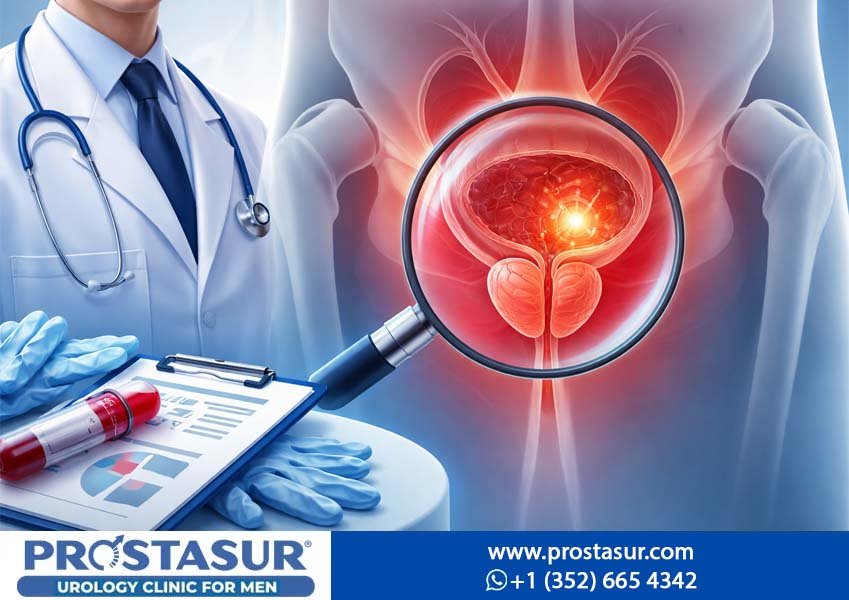
    Prostate cancer is one of the most common types of cancer in men worldwide. Despite its high incidence, when detected early, it has a high probability of successful treatment. The key lies in early detection.

    What is prostate cancer?

    The prostate is a small gland located below the bladder and in front of the rectum, whose main function is to produce part of the seminal fluid. Prostate cancer occurs when the cells of this gland begin to grow uncontrollably.

    In its early stages, this type of cancer usually does not present symptoms, making early detection even more important.

    Why is early detection important?

    Most prostate cancers grow slowly. When detected early:

    • It can be treated before it spreads
    • The chances of cure are high
    • Serious complications can be avoided

    On the other hand, when detected at advanced stages, it can spread to other organs such as bones and lymph nodes, making treatment more difficult.

    Risk factors

    There are factors that increase the likelihood of developing prostate cancer:

    • Age: higher risk after age 50
    • Family history (father or brothers with prostate cancer)
    • Race (higher incidence in men of African descent)
    • High-fat diet and sedentary lifestyle

    Screening methods

    Early detection is mainly based on two tests:

    1. Prostate-Specific Antigen (PSA)

    This is a blood test that measures the levels of a protein produced by the prostate. Elevated levels may indicate:

    • Prostate cancer
    • Inflammation (prostatitis)
    • Benign prostate enlargement

    It is not a definitive diagnosis, but it is a key tool to identify potential issues.

    1. Digital rectal exam (DRE)

    This is a physical examination in which the doctor evaluates the prostate through the rectum to detect irregularities, hardness, or enlargement.

    Although it may cause discomfort or resistance, it is quick, simple, and can save lives.

    When should screening begin?

    It is recommended:

    • Men without risk factors: starting at age 50
    • Men with family history: from ages 40–45

    The frequency of testing depends on initial results and medical evaluation.

    Warning signs (advanced stages)

    In early stages, there are usually no symptoms. When they appear, they may include:

    • Difficulty urinating
    • Weak urine flow
    • Blood in urine or semen
    • Pain in the lower back, hips, or pelvis

    It is important not to wait for symptoms before seeing a doctor.

    Common barriers: fear and misinformation

    Many men avoid screening due to:

    • Fear of diagnosis
    • Embarrassment or discomfort (especially with DRE)
    • Lack of information

    However, ignoring the problem does not make it go away. Early detection can make the difference between a simple treatment and an advanced disease.


    Remember that at Prostasur, a urology clinic, we are here to serve you.

    ☎️ Appointments: 9995 14 31 65

    ✉️ Mail: info@prostasur.mx

    Prostasur

    COFEPRIS 213301202A0698
  • Circuncisión láser: una alternativa moderna para la cirugía del prepucio

    Circuncisión láser: una alternativa moderna para la cirugía del prepucio

    ☎️ Appointments: 9995 14 31 65

    ✉️ Mail: info@prostasur.mx

    Mérida, Yucatán 

    Blog Prostasur

    Urology clinic for men

    Circuncisión láser: una alternativa moderna para la cirugía del prepucio

    La circuncisión es un procedimiento quirúrgico que consiste en retirar parcial o totalmente el prepucio, la piel que cubre el glande del pene. Tradicionalmente se ha realizado con bisturí o técnicas quirúrgicas convencionales; sin embargo, en los últimos años ha surgido una alternativa más moderna: la circuncisión con láser.

    Esta técnica utiliza energía láser para realizar cortes precisos y controlar el sangrado durante el procedimiento, lo que puede ofrecer varias ventajas en comparación con la cirugía tradicional.

    ¿Qué es la circuncisión láser?

    La circuncisión láser es un procedimiento quirúrgico mínimamente invasivo en el que se emplea un dispositivo láser para cortar y retirar el prepucio. El láser emite un haz de energía concentrada que permite cortar el tejido con gran precisión mientras sella pequeños vasos sanguíneos al mismo tiempo.

    Esto reduce el sangrado durante la cirugía y puede favorecer una recuperación más rápida.

    ¿Cuándo se recomienda?

    Aunque la circuncisión también puede realizarse por razones culturales o religiosas, desde el punto de vista médico suele indicarse en las siguientes situaciones:

    1. Fimosis
      Es la incapacidad de retraer el prepucio sobre el glande, lo que puede provocar dolor, dificultad para la higiene o infecciones recurrentes.
    2. Parafimosis
      Ocurre cuando el prepucio queda atrapado detrás del glande y no puede regresar a su posición normal, generando inflamación y dolor.
    3. Balanitis recurrente
      Inflamación frecuente del glande que puede estar asociada a infecciones o mala higiene.
    4. Infecciones urinarias recurrentes
      En algunos casos, especialmente en niños, puede recomendarse la circuncisión para disminuir el riesgo de infecciones.

    ¿Cómo se realiza el procedimiento?

    La circuncisión láser suele realizarse en un entorno ambulatorio y dura aproximadamente entre 20 y 40 minutos.

    El procedimiento generalmente sigue estos pasos:

    1. Anestesia
      Se aplica anestesia local o, en algunos casos, sedación ligera.
    2. Marcaje del área
      El cirujano delimita la cantidad de prepucio que será retirada.
    3. Corte con láser
      El láser realiza el corte con alta precisión mientras coagula los vasos sanguíneos.
    4. Sutura
      Se colocan puntos absorbibles para cerrar la piel.
    5. Colocación de vendaje
      Se protege la zona con un vendaje para favorecer la cicatrización.

    Ventajas de la circuncisión láser

    Entre los beneficios potenciales de esta técnica se encuentran:

    • Menor sangrado durante la cirugía.
    • Mayor precisión en el corte del tejido.
    • Menor inflamación postoperatoria en algunos casos.
    • Recuperación más rápida en comparación con técnicas tradicionales.
    • Menor riesgo de infección, debido al efecto térmico del láser.

    Sin embargo, es importante señalar que los resultados también dependen de la experiencia del cirujano y del cuidado postoperatorio.

    Recuperación después de la cirugía

    La recuperación suele ser relativamente rápida. La mayoría de los pacientes pueden retomar actividades cotidianas ligeras en pocos días.

    Algunas recomendaciones después del procedimiento incluyen:

    • Mantener la zona limpia y seca.
    • Tomar los analgésicos o antiinflamatorios prescritos.
    • Evitar actividad sexual o masturbación durante 3 a 4 semanas.
    • Usar ropa interior cómoda para evitar fricción.

    Es normal experimentar inflamación leve, sensibilidad o pequeñas molestias durante los primeros días.

    Posibles complicaciones

    Aunque la circuncisión láser es generalmente segura, como cualquier procedimiento quirúrgico puede presentar algunas complicaciones, tales como:

    • Sangrado leve
    • Infección
    • Inflamación prolongada
    • Cicatrización irregular

    Estas complicaciones son poco frecuentes cuando el procedimiento es realizado por un especialista capacitado.

    Remember that at Prostasur, a urology clinic, we are here to serve you.

    ☎️ Appointments: 9995 14 31 65

    ✉️ Mail: info@prostasur.mx

    Prostasur

    COFEPRIS 213301202A0698
  • TURP (Transurethral Resection of the Prostate)

    TURP (Transurethral Resection of the Prostate)

    ☎️ Appointments: 9995 14 31 65

    ✉️ Mail: info@prostasur.mx

    Mérida, Yucatán 

    Blog Prostasur

    Urology clinic for men

    TURP (Transurethral Resection of the Prostate)

    TURP, or Transurethral Resection of the Prostate, is one of the most commonly used surgical procedures to treat urinary symptoms caused by prostate enlargement. For many years, it has been considered the gold standard surgical treatment for Benign Prostatic Hyperplasia.

    This procedure is performed through the urethra, without the need for external incisions, making it a minimally invasive surgery compared with traditional open procedures.

    What is TURP?

    TURP is an endoscopic surgery that involves removing small portions of prostate tissue that block the urethra, allowing urine to flow more easily from the bladder to the outside of the body.

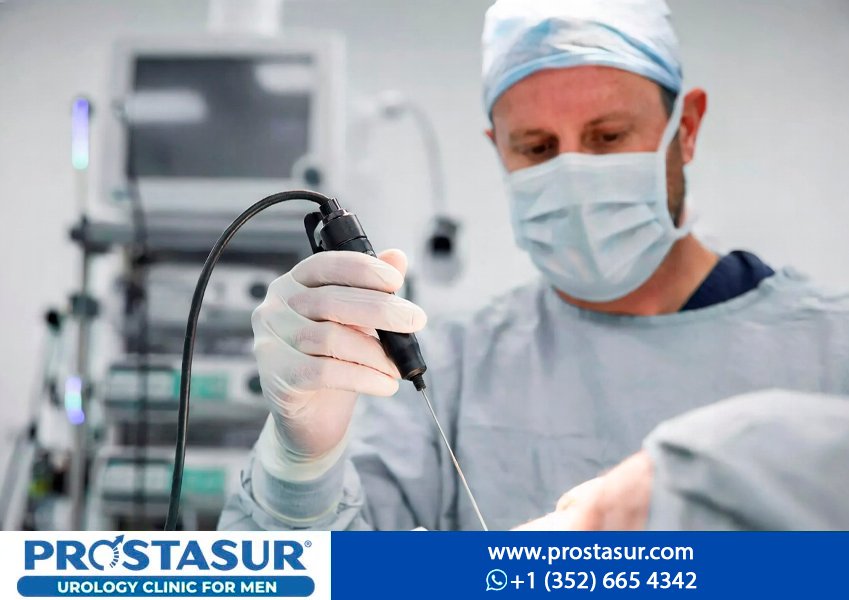
    To perform this procedure, the urologist inserts an instrument called a resectoscope through the urethra. This device contains a small camera and a wire loop that uses electrical energy to cut and coagulate prostate tissue.

    The obstructing tissue is removed gradually until the urinary channel becomes sufficiently open.

    When is TURP recommended?

    TURP is mainly recommended for patients who experience moderate to severe urinary symptoms caused by prostate enlargement.

    Common situations in which this procedure may be recommended include:

    • Difficulty starting urination
    • Weak urinary stream
    • Feeling of incomplete bladder emptying
    • Frequent urination, especially at night
    • Urinary retention
    • Recurrent urinary tract infections
    • Blood in the urine (hematuria)
    • Bladder or kidney damage caused by urinary obstruction

    When medications are no longer effective or symptoms significantly affect the patient’s quality of life, surgery may become the best treatment option.

    How is the surgery performed?

    TURP is usually performed under spinal or general anesthesia and typically lasts 60 to 90 minutes, depending on the size of the prostate.

    The procedure generally includes the following steps:

    1. Insertion of the resectoscope through the urethra
    2. Visualization of the prostate using an endoscopic camera
    3. Gradual resection of obstructing prostate tissue
    4. Coagulation of small blood vessels to control bleeding
    5. Flushing the tissue fragments into the bladder
    6. Placement of a urinary catheter for drainage

    The urinary catheter is usually kept in place for 1 to 3 days after the surgery.

    Recovery after TURP

    After the procedure, the patient usually stays in the hospital for 24 to 72 hours.

    During the first few days, it is normal to experience:

    • Burning during urination
    • Some blood in the urine
    • Increased urinary frequency
    • Urinary urgency

    These symptoms typically improve gradually over the following weeks.

    Full recovery usually takes 3 to 6 weeks, during which patients are advised to:

    • Avoid lifting heavy objects
    • Avoid intense physical activity
    • Drink plenty of water
    • Avoid alcohol and caffeine
    • Refrain from sexual activity for several weeks

    Benefits of TURP

    The main advantages of this procedure include:

    • Significant improvement in urinary flow
    • Reduction of urinary symptoms
    • No external incisions
    • High long-term success rate
    • Extensive clinical experience worldwide

    In most patients, symptoms improve significantly, leading to a substantial improvement in quality of life.

    Possible complications

    Although TURP is a safe procedure, like any surgery it may involve some risks.

    The most common complications include:

    • Bleeding
    • Urinary tract infection
    • Retrograde ejaculation
    • Urethral stricture
    • Urinary incontinence (uncommon)
    • Erectile dysfunction (rare)

    A specific but uncommon complication is TURP syndrome, caused by excessive absorption of the irrigation fluid used during the surgery.

    Alternatives to TURP

    In recent years, several new surgical techniques have emerged as alternatives for some patients, such as:

    • HoLEP
    • Laser prostate enucleation
    • Laser prostate vaporization
    • Open prostate surgery (for very large prostates)

    However, TURP remains one of the most studied, safest, and most effective procedures available.

    Remember that at Prostasur, a urology clinic, we are here to serve you.

    ☎️ Appointments: 9995 14 31 65

    ✉️ Mail: info@prostasur.mx

    Prostasur

    COFEPRIS 213301202A0698
  • HoLEP: Holmium Laser Enucleation of the Prostate

    HoLEP: Holmium Laser Enucleation of the Prostate

    ☎️ Appointments: 9995 14 31 65

    ✉️ Mail: info@prostasur.mx

    Mérida, Yucatán 

    Blog Prostasur

    Urology clinic for men

    HoLEP: Holmium Laser Enucleation of the Prostate

    HoLEP (Holmium Laser Enucleation of the Prostate) is a minimally invasive surgical technique used to treat Benign Prostatic Hyperplasia (BPH), a common condition in older men in which the prostate enlarges and obstructs the normal flow of urine.

    In recent years, HoLEP has become one of the most effective and safest alternatives for treating large prostates, offering results comparable to—or even better than—traditional open surgery, while allowing for a much faster recovery.

    What is HoLEP?

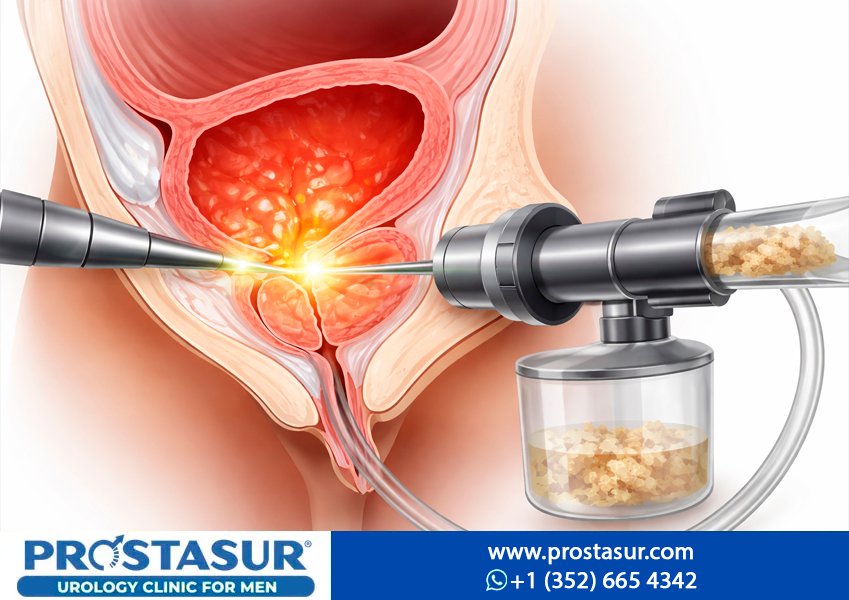
    HoLEP is an endoscopic procedure that uses a holmium laser to separate and remove the prostate tissue that is blocking the urethra.

    Unlike some other surgical procedures, HoLEP does not require external incisions, since the entire procedure is performed through the urethra using an instrument called a resectoscope.

    The procedure involves two main steps:

    1. Enucleation: the laser separates the enlarged prostate tissue from the prostatic capsule.
    2. Morcellation: the detached tissue is fragmented inside the bladder so it can be removed.

    This approach allows surgeons to remove large amounts of tissue with a high degree of precision.

    What is HoLEP used for?

    HoLEP is primarily used to treat urinary symptoms caused by Benign Prostatic Hyperplasia, such as:

    • Difficulty starting urination
    • Weak urinary stream
    • Feeling of incomplete bladder emptying
    • Frequent urination, especially at night (nocturia)
    • Urinary urgency
    • Urinary retention

    When medications are no longer effective, or when the prostate becomes significantly enlarged, surgery is often the best treatment option.

    How is the procedure performed?

    The HoLEP procedure is typically performed under general or spinal anesthesia and usually takes between 60 and 120 minutes, depending on the size of the prostate.

    Steps of the procedure

    1. An endoscope is inserted through the urethra until it reaches the prostate.
    2. The holmium laser is used to separate the enlarged prostate tissue.
    3. The tissue is pushed into the bladder.
    4. A device called a morcellator is used to fragment the tissue.
    5. The fragments are removed through the endoscope.

    After the surgery, a urinary catheter is temporarily placed to allow the bladder to drain.

    Advantages of HoLEP

    HoLEP offers several advantages compared with other prostate procedures.

    1. Effective for large prostates

    Unlike many other techniques, HoLEP can treat prostates of almost any size, including very large ones.

    1. Reduced bleeding

    The laser seals blood vessels while cutting, significantly reducing blood loss.

    1. Faster recovery

    Most patients are able to go home within 24 hours.

    1. Long-lasting results

    The complete removal of obstructive tissue lowers the likelihood of needing additional surgery in the future.

    1. Shorter catheterization time

    In many cases, the catheter can be removed the next day.

    Possible side effects

    As with any surgical procedure, HoLEP may have some side effects, although they are usually temporary.

    The most common include:

    • Burning sensation during urination in the first few days
    • Blood in the urine
    • Temporary urinary urgency
    • Retrograde ejaculation
    • Temporary urinary incontinence

    Serious complications are uncommon.

    Comparison with other prostate surgeries

    HoLEP is often compared with procedures such as:

    • Transurethral Resection of the Prostate (TURP)
    • Open Prostatectomy

    While TURP has long been considered the standard treatment for moderately enlarged prostates, HoLEP has demonstrated equal or superior effectiveness, particularly for large prostates, with less bleeding and a lower likelihood of requiring repeat surgery.

    Recovery after HoLEP

    Recovery is usually quick, but patients are advised to take certain precautions during the first few weeks:

    • Drink plenty of water
    • Avoid heavy lifting
    • Avoid intense physical activity
    • Refrain from sexual activity for 3–4 weeks

    Most patients experience significant improvement in urinary flow and overall quality of life within a few weeks after the procedure.

    Remember that at Prostasur, a urology clinic, we are here to serve you.

    ☎️ Appointments: 9995 14 31 65

    ✉️ Mail: info@prostasur.mx

    Prostasur

    COFEPRIS 213301202A0698
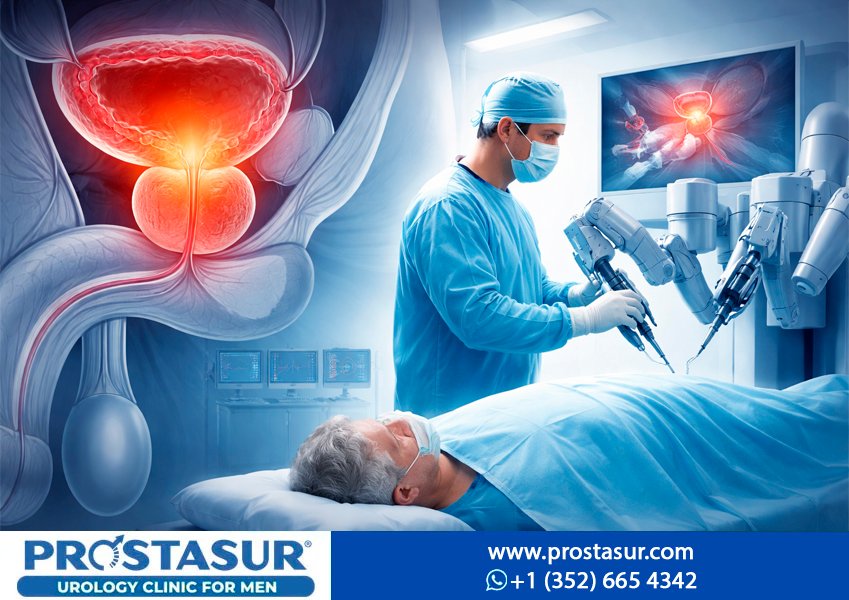
  • Prostate Surgery: When It Is Needed, Types, and Recovery

    Prostate Surgery: When It Is Needed, Types, and Recovery

    ☎️ Appointments: 9995 14 31 65

    ✉️ Mail: info@prostasur.mx

    Mérida, Yucatán 

    Blog Prostasur

    Urology clinic for men

    Prostate Surgery: When It Is Needed, Types, and Recovery

    The prostate is a small gland of the male reproductive system located below the bladder and in front of the rectum. Its main function is to produce part of the seminal fluid that protects and transports sperm. Over time, this gland can develop different problems that, in some cases, require surgical treatment.

    Prostate surgery refers to a group of medical procedures used to treat diseases that affect this gland, especially when medications are no longer effective or when the condition poses a risk to the patient’s health.

    Main Conditions That May Require Surgery

    Several conditions can affect the prostate. The most common include:

    1. Benign Prostatic Hyperplasia (BPH)

    Benign Prostatic Hyperplasia is a noncancerous enlargement of the prostate. It is very common in men over the age of 50.

    As the prostate grows, it can press against the urethra and cause urinary symptoms such as:

    • Difficulty starting urination
    • Weak urinary stream
    • Feeling that the bladder does not empty completely
    • Frequent need to urinate, especially at night

    When these symptoms become severe or do not improve with medication, surgery may be recommended.

    1. Prostate Cancer

    Prostate Cancer is one of the most common cancers in men. In some cases—especially when the tumor is localized—surgery can be one of the main treatment options.

    1. Complicated Prostatitis

    Prostatitis is inflammation of the prostate, usually caused by infection. Although most cases are treated with medication, complicated or chronic situations may require surgical procedures.

    Types of Prostate Surgery

    Depending on the prostate condition, the patient’s age, and the severity of the disease, the doctor may recommend different surgical techniques.

    1. Transurethral Resection of the Prostate (TURP)

    Transurethral Resection of the Prostate is one of the most common surgeries used to treat benign prostatic hyperplasia.

    How is it performed?

    • The surgeon inserts an instrument called a resectoscope through the urethra.
    • No external incisions are required.
    • The prostate tissue blocking the urinary flow is removed.

    Advantages

    • Shorter recovery time
    • No external scars
    • Rapid improvement of urinary symptoms
    1. Radical Prostatectomy

    Radical Prostatectomy involves the complete removal of the prostate gland and, in some cases, surrounding tissues.

    It is mainly used to treat localized prostate cancer.

    It can be performed through:

    • open surgery
    • laparoscopic surgery
    • robot-assisted surgery

    One of the most advanced techniques is robotic surgery using the da Vinci Surgical System, which allows greater precision and less damage to surrounding tissues.

    1. Laser Prostate Surgery

    This procedure uses laser energy to remove or vaporize prostate tissue that blocks the urethra.

    Some of the best-known techniques include:

    • Laser prostate enucleation
    • Laser prostate vaporization

    Advantages

    • Less bleeding
    • Faster recovery
    • Shorter hospital stay

    Risks and Possible Complications

    Like any surgical procedure, prostate surgery may have some complications, although many are uncommon.

    The most common include:

    • Bleeding
    • Urinary tract infection
    • Temporary urinary incontinence
    • Erectile dysfunction
    • Retrograde ejaculation (semen flows into the bladder instead of exiting through the penis)

    It is important to note that many of these complications depend on the technique used and the surgeon’s experience.

    Recovery After Surgery

    Recovery time may vary depending on the type of surgery performed.

    In general:

    • The patient may stay in the hospital for 1 to 3 days.
    • A urinary catheter is usually placed for a few days to allow healing.
    • Most patients can resume normal activities within 2 to 6 weeks.

    During recovery, doctors usually recommend:

    • Avoid lifting heavy objects
    • Drink plenty of water
    • Avoid straining while urinating or during bowel movements
    • Carefully follow medical instructions

    Importance of Early Diagnosis

    Many men avoid seeing a doctor when they experience urinary symptoms due to embarrassment or because they consider them a normal part of aging. However, early diagnosis can prevent complications and allow for less invasive treatments.

    Men over 50 years old (or earlier if there is a family history) are encouraged to have regular medical checkups to detect prostate problems early.

    Remember that at Prostasur, a urology clinic, we are here to serve you.

    ☎️ Appointments: 9995 14 31 65

    ✉️ Mail: info@prostasur.mx

    Prostasur

    COFEPRIS 213301202A0698