Categoría: Uncategorized

  • Bladder Cancer in Men: Symptoms, Risk Factors, and Treatment Options

    Bladder Cancer in Men: Symptoms, Risk Factors, and Treatment Options

    ☎️ Appointments: 9995 14 31 65

    ✉️ Mail: info@prostasur.mx

    Mérida, Yucatán 

    Blog Prostasur

    Urology clinic for men
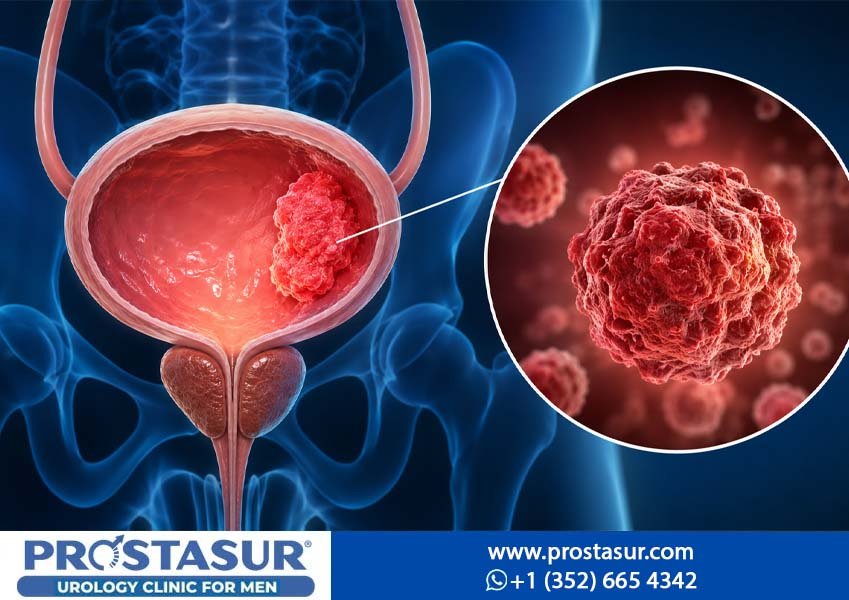
    Bladder Cancer in Men: Symptoms, Risk Factors, and Treatment Options

    Bladder cancer is one of the most common cancers affecting the urinary tract and occurs significantly more often in men than in women. Although it can develop at any age, its incidence increases after the age of 55. Early detection is essential, as timely diagnosis greatly improves treatment outcomes and helps preserve a patient’s quality of life.

    What Is Bladder Cancer?

    Bladder cancer develops when the cells lining the inside of the bladder begin to grow uncontrollably. In most cases, the cancer originates in the urothelium, the tissue that lines the urinary tract.

    There are several types of bladder cancer, with urothelial carcinoma (also known as transitional cell carcinoma) being the most common.

    Why Is Bladder Cancer More Common in Men?

    Men are approximately three to four times more likely to develop bladder cancer than women. Although there is no single cause, several factors contribute to this increased risk, including:

    • Higher historical rates of tobacco use.
    • Occupational exposure to industrial chemicals.
    • Older age.
    • Hormonal and genetic factors that continue to be studied.

    Risk Factors

    Several factors can increase the likelihood of developing bladder cancer.

    Smoking

    Smoking is the leading risk factor for bladder cancer. Harmful chemicals inhaled through tobacco are filtered by the kidneys and excreted in the urine, where they remain in contact with the bladder lining for prolonged periods, increasing the risk of cellular damage.

    Occupational Exposure

    People who work in industries involving:

    • Paints
    • Dyes
    • Rubber
    • Leather
    • Chemical manufacturing
    • Petroleum products

    may have increased exposure to carcinogenic substances.

    Age

    Most cases are diagnosed in individuals over the age of 55.

    Family History

    Although most bladder cancers are not hereditary, having a close relative with bladder cancer may slightly increase the risk.

    Chronic Bladder Conditions

    Long-term bladder inflammation or recurrent urinary tract infections may contribute to abnormal cellular changes in some patients.

    Symptoms of Bladder Cancer

    In its early stages, bladder cancer may cause few or no noticeable symptoms. However, the most common warning sign is:

    Blood in the Urine (Hematuria)

    The urine may appear:

    • Bright red
    • Pink
    • Brown or tea-colored

    In some cases, blood is only detectable through laboratory testing.

    Importantly, hematuria is often painless and should never be ignored.

    Other symptoms may include:

    • Frequent urination.
    • Burning sensation during urination.
    • Pelvic pain.
    • Lower back pain.
    • Difficulty completely emptying the bladder.

    In more advanced stages, patients may also experience:

    • Unexplained weight loss.
    • Bone pain.
    • Fatigue.
    • Swelling of the legs.

    How Is Bladder Cancer Diagnosed?

    A urologist will perform a thorough evaluation and recommend diagnostic tests based on the patient’s symptoms and medical history.

    Common diagnostic methods include:

    Urinalysis

    Used to detect blood, abnormal cells, or signs of infection.

    Urine Cytology

    Examines urine samples for cancerous or abnormal cells.

    Ultrasound

    Can identify masses within the bladder and evaluate the urinary tract.

    CT Scan

    Provides detailed images to determine the size of the tumor and whether it has spread beyond the bladder.

    Cystoscopy

    Cystoscopy is the gold standard for diagnosing bladder cancer. During this procedure, a thin camera is inserted through the urethra to directly visualize the inside of the bladder. If necessary, tissue samples (biopsies) can be obtained for pathological examination.

    Treatment Options

    Treatment depends on the size of the tumor, how deeply it has invaded the bladder wall, and whether the cancer has spread.

    The main treatment options include:

    Transurethral Resection of Bladder Tumor (TURBT)

    This minimally invasive procedure removes bladder tumors through the urethra without external incisions. It is the standard initial treatment for most non-muscle-invasive bladder cancers.

    Intravesical Therapy

    Following surgery, medications may be administered directly into the bladder to reduce the risk of recurrence.

    Cystectomy

    For invasive bladder cancer, partial or complete removal of the bladder may be necessary.

    Chemotherapy

    Chemotherapy may be given before surgery, after surgery, or for advanced disease.

    Immunotherapy

    Certain immunotherapy medications help the body’s immune system recognize and attack cancer cells.

    Radiation Therapy

    Radiation therapy may be used in selected cases or when surgery is not the best option.

    Can Bladder Cancer Be Prevented?

    Although not all cases are preventable, several healthy habits can reduce the risk:

    • Avoid smoking.
    • Stay well hydrated.
    • Eat a diet rich in fruits and vegetables.
    • Use appropriate protective equipment when working with hazardous chemicals.
    • Consult a urologist immediately if blood appears in the urine.

    Prognosis

    When diagnosed at an early stage, bladder cancer has a high treatment success rate. However, this disease has a relatively high recurrence rate, making regular follow-up with cystoscopy and imaging studies essential even after successful treatment.

    When Should You See a Urologist?

    You should seek medical evaluation promptly if you experience:

    • Blood in the urine, even if it occurs only once.
    • Persistent pain or burning during urination.
    • Significant changes in urinary frequency.
    • Recurrent urinary tract infections without an obvious cause.
    • Pelvic or lower back pain accompanied by urinary symptoms.

    Early diagnosis can make a significant difference in treatment success and long-term outcomes.

    Remember that at Prostasur, a urology clinic, we are here to serve you.

    ☎️ Appointments: 9995 14 31 65

    ✉️ Mail: info@prostasur.mx

    Prostasur

    COFEPRIS 213301202A0698

  • HPV Vaccination for Men: A Key Tool for Disease Prevention

    HPV Vaccination for Men: A Key Tool for Disease Prevention

    ☎️ Appointments: 9995 14 31 65

    ✉️ Mail: info@prostasur.mx

    Mérida, Yucatán 

    Blog Prostasur

    Urology clinic for men

    HPV Vaccination for Men: A Key Tool for Disease Prevention

    When people hear about the Human Papillomavirus (HPV), they often associate it only with women’s health. However, HPV also poses significant health risks for men. Vaccination against HPV is one of the most effective ways to prevent several diseases, including certain types of cancer and genital warts.

    In a urology practice, prevention is just as important as treatment. Understanding the benefits of HPV vaccination can make a significant difference in a man’s long-term health.

    What Is HPV?

    Human Papillomavirus (HPV) is the most common sexually transmitted infection (STI) worldwide. More than 200 types of HPV have been identified, although only some are associated with clinically significant diseases.

    Most sexually active individuals will be exposed to HPV at some point in their lives. In many cases, the immune system clears the infection naturally. However, when the virus persists, it can lead to serious health complications.

    What Diseases Can HPV Cause in Men?

    Although many HPV infections do not cause symptoms, the virus can lead to:

    • Genital warts
    • Penile cancer
    • Anal cancer
    • Oropharyngeal cancer (affecting the throat, tonsils, and base of the tongue)
    • Precancerous lesions that may develop into cancer if left untreated

    In addition, people infected with HPV can transmit the virus to their sexual partners even if they have no visible symptoms.

    Why Get Vaccinated as an Adult?

    HPV vaccination provides the greatest protection when administered before sexual activity begins. However, it can also benefit adolescents, young adults, and some older adults, depending on their medical history and individual risk factors.

    The vaccine helps reduce the risk of infection from the HPV types most commonly associated with cancer and genital warts. While it does not treat an existing HPV infection, it can protect against other high-risk HPV types included in the vaccine.

    Who Should Receive the HPV Vaccine?

    Recommendations may vary by country, but in general, HPV vaccination is recommended for:

    • Children and adolescents before becoming sexually active
    • Young men who have not previously been vaccinated
    • Individuals with multiple sexual partners
    • Men who have sex with men
    • People with weakened immune systems
    • Adults who may benefit from vaccination after consultation with their healthcare provider

    The decision to vaccinate should always be made in consultation with a physician, who can evaluate each patient’s individual circumstances.

    Is the HPV Vaccine Safe?

    Yes. The HPV vaccine has been extensively studied and has been administered to millions of people worldwide. Research consistently shows that it is safe and highly effective in preventing infections caused by the HPV types included in the vaccine.

    The most common side effects are mild and temporary, including soreness at the injection site, redness, swelling, or a low-grade fever.

    Does the Vaccine Replace Condom Use?

    No. Although HPV vaccination significantly reduces the risk of infection from the most harmful HPV types, it does not protect against every strain of HPV or other sexually transmitted infections.

    For this reason, proper condom use, routine medical checkups, and HPV vaccination together provide the best protection for sexual health.

    The Importance of Seeing a Urologist

    Urologists play a vital role in the prevention, diagnosis, and treatment of HPV-related conditions in men. If you notice genital warts, skin changes, unusual lesions, or have questions about HPV vaccination, it is important to schedule a medical evaluation.

    A urologist can determine whether HPV vaccination is appropriate based on your age, medical history, lifestyle, and individual risk factors.

    Remember that at Prostasur, a urology clinic, we are here to serve you.

    ☎️ Appointments: 9995 14 31 65

    ✉️ Mail: info@prostasur.mx

    Prostasur

    COFEPRIS 213301202A0698
  • Laparoscopy for Prostate Cancer: A Modern and Minimally Invasive Alternative

    Laparoscopy for Prostate Cancer: A Modern and Minimally Invasive Alternative

    ☎️ Appointments: 9995 14 31 65

    ✉️ Mail: info@prostasur.mx

    Mérida, Yucatán 

    Blog Prostasur

    Urology clinic for men

    Laparoscopy for Prostate Cancer: A Modern and Minimally Invasive Alternative

    Prostate cancer is one of the most common diseases affecting men worldwide. Fortunately, technological advances have made it possible to develop increasingly precise, safe, and minimally invasive treatments. One of these is laparoscopy for prostate cancer, a modern surgical technique that has transformed the way prostate surgery is performed.

    What Is Laparoscopy for Prostate Cancer?

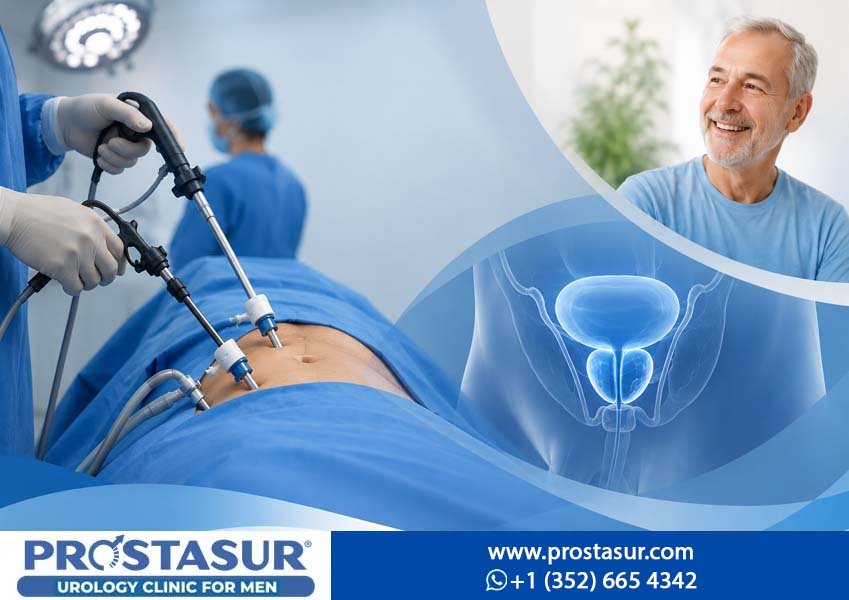
    Laparoscopy is a minimally invasive surgical procedure that allows surgeons to operate through small incisions in the abdomen using specialized instruments and a high-definition camera called a laparoscope.

    In the case of prostate cancer, this procedure is known as a laparoscopic radical prostatectomy, which involves removing the prostate affected by the tumor, along with nearby tissues when necessary.

    Unlike traditional open surgery, laparoscopy avoids large incisions, reducing tissue damage and promoting a faster recovery.

    When Is It Recommended?

    Laparoscopic surgery is usually recommended for patients with localized prostate cancer, meaning the tumor is confined to the prostate and has not spread to other organs.

    Before recommending the procedure, the specialist will evaluate several factors, including:

    • Patient’s age
    • Overall health condition
    • PSA levels
    • Tumor grade and aggressiveness
    • Biopsy and imaging study results

    Each case must be evaluated individually to determine the most appropriate treatment.

    How Is the Procedure Performed?

    During surgery, the patient is placed under general anesthesia. The surgeon makes small incisions through which the camera and surgical instruments are inserted.

    Thanks to the magnified and detailed view provided by the laparoscope, the surgeon can work with greater precision around delicate structures such as nerves and blood vessels.

    The prostate is then carefully removed, and the connection between the bladder and urethra is reconstructed to restore urinary flow.

    The duration of the surgery may vary depending on the patient and the complexity of the case.

    Benefits of Laparoscopy

    Laparoscopy offers several advantages compared to conventional open surgery:

    Less Postoperative Pain

    Because the procedure is performed through small incisions, postoperative pain is usually significantly reduced.

    Faster Recovery

    Many patients are able to return to their daily activities sooner.

    Reduced Blood Loss

    Surgical precision helps minimize blood loss during the procedure.

    Lower Risk of Infection

    Smaller wounds decrease the risk of infectious complications.

    Better Cosmetic Results

    The scars are much smaller and less noticeable.

    Recovery After Surgery

    After the procedure, patients generally remain hospitalized for one to three days, depending on their recovery progress.

    It is common to use a temporary urinary catheter for several days while the urinary connection heals.

    During recovery, the physician may recommend:

    • Walking progressively
    • Avoiding heavy lifting
    • Staying well hydrated
    • Following a balanced diet
    • Attending follow-up appointments

    Full recovery may vary from person to person.

    Possible Side Effects

    Like any surgical procedure, laparoscopic radical prostatectomy may involve certain risks or side effects, including:

    • Temporary urinary incontinence
    • Erectile dysfunction
    • Bleeding
    • Infection
    • Urinary narrowing or stricture

    However, current medical advances and surgical experience have significantly reduced these complications.

    Difference Between Laparoscopy and Robotic Surgery

    Many people confuse laparoscopy with robotic surgery. Both are minimally invasive techniques, but robotic surgery uses a robotic system controlled by the surgeon, providing even greater precision and mobility.

    Even so, conventional laparoscopy remains an excellent therapeutic option with highly favorable oncological outcomes in selected patients.

    The Importance of Early Diagnosis

    Detecting prostate cancer in its early stages greatly increases the chances of successful treatment and cure. For this reason, regular urological checkups are essential, especially after the age of 45 or 50, or earlier in patients with a family history of the disease.

    The most common diagnostic tests include:

    • Prostate-specific antigen (PSA) test
    • Physical examination
    • Magnetic resonance imaging (MRI)
    • Prostate biopsy

    Remember that at Prostasur, a urology clinic, we are here to serve you.

    ☎️ Appointments: 9995 14 31 65

    ✉️ Mail: info@prostasur.mx

    Prostasur

    COFEPRIS 213301202A0698

  • Robotic Prostate Surgery: Precision, Technology, and Faster Recovery

    Robotic Prostate Surgery: Precision, Technology, and Faster Recovery

    ☎️ Appointments: 9995 14 31 65

    ✉️ Mail: info@prostasur.mx

    Mérida, Yucatán 

    Blog Prostasur

    Urology clinic for men

    Robotic Prostate Surgery: Precision, Technology, and Faster Recovery

    Introduction

    Robotic prostate surgery represents one of the most significant advances in modern urology. Thanks to the integration of high-precision technology, three-dimensional vision, and minimally invasive movements, this procedure has revolutionized the treatment of various prostate conditions, especially prostate cancer.

    In recent years, robot-assisted surgery has become one of the most widely used techniques worldwide due to its multiple benefits for both patients and surgeons. The millimeter-level precision it provides allows complex procedures to be performed with less damage to surrounding tissues, promoting faster recovery and reducing the risk of complications.

    Although many people imagine that the robot performs the surgery on its own, the reality is different. The procedure is always controlled by a highly trained specialist surgeon who directs every movement through a specialized console.

    What Is Robotic Prostate Surgery?

    Robotic prostate surgery is a minimally invasive procedure performed using a robotic surgical system that allows the physician to operate with much greater precision than traditional surgery.

    During the procedure, the surgeon uses a console equipped with special controls that translate the movements of their hands into extremely precise movements of small surgical instruments.

    The robotic system offers:

    • Three-dimensional high-definition vision.
    • Greater surgical precision.
    • More delicate movements.
    • Less bleeding.
    • Smaller incisions.
    • Faster recovery.
    • Reduced postoperative pain.

    Robotic surgery is primarily used to treat:

    • Prostate cancer.
    • Benign prostatic hyperplasia.
    • Certain complex urological conditions.

    How Does a Robotic Surgery System Work?

    The most well-known robotic system in the world is the Da Vinci system, used in numerous specialized hospitals.

    This system consists of three main components:

    1. Surgeon Console

    This is where the specialist fully controls the surgery. From this console, the physician observes enlarged three-dimensional images and directs the surgical instruments.

    1. Robotic Arms

    The robotic arms hold miniaturized instruments capable of performing extremely precise movements that can even surpass the natural capabilities of the human hand.

    1. Vision Tower

    This includes high-definition cameras that provide an enlarged and detailed image of the prostate and surrounding structures.

    When Is Robotic Prostate Surgery Recommended?

    Robotic surgery is mainly recommended for patients with localized prostate cancer, meaning the tumor has not spread beyond the prostate gland.

    It may also be considered in other specific cases depending on medical evaluation.

    Some factors influencing the decision include:

    • Patient age.
    • Overall health condition.
    • Tumor size and aggressiveness.
    • Biopsy results.
    • Imaging studies.
    • Patient preferences.

    Each case must be individually evaluated by a urology specialist.

    Benefits of Robotic Prostate Surgery

    One of the main reasons this technique has gained popularity is the large number of benefits it offers compared to conventional open surgery.

    Less Bleeding

    Thanks to the precision of the instruments and advanced surgical control, bleeding is usually significantly reduced.

    Smaller Incisions

    The surgery is performed through small abdominal incisions, reducing surgical trauma.

    Reduced Postoperative Pain

    Because it is less invasive, patients generally experience less pain after the procedure.

    Faster Recovery

    Many patients can return to their daily activities sooner.

    Shorter Hospital Stay

    In many cases, hospitalization may be reduced to one or two days.

    Greater Precision

    Enhanced visualization and precise movements help protect important structures such as nerves and blood vessels.

    Better Functional Recovery

    Depending on each case, it may promote better recovery of urinary control and sexual function.

    How to Prepare for Robotic Prostate Surgery

    Before surgery, the patient must undergo several medical evaluations and tests.

    These generally include:

    • Blood tests.
    • Electrocardiogram.
    • Imaging studies.
    • Anesthesia evaluation.
    • General medical assessment.

    The physician will also provide specific instructions regarding:

    • Preoperative fasting.
    • Medications that should be stopped.
    • Pre-surgical care.
    • Postoperative recommendations.

    What Is Recovery Like?

    Recovery after robotic surgery is usually faster compared to traditional surgery.

    During the first few days, it is normal to experience:

    • Mild discomfort.
    • Fatigue.
    • Moderate swelling.
    • Temporary urinary catheter use.

    Most patients are able to walk just a few hours after surgery.

    As the weeks pass, daily activities can gradually be resumed according to medical instructions.

    Possible Risks and Complications

    Although robotic surgery is considered safe, no surgical procedure is completely free of risks.

    Some possible complications include:

    • Bleeding.
    • Infection.
    • Temporary urinary problems.
    • Erectile dysfunction.
    • Injury to nearby structures.
    • Anesthetic reactions.

    The surgeon’s experience and the patient’s condition significantly influence the results.

    Can Robotic Surgery Cure Prostate Cancer?

    In many cases of localized cancer, robotic surgery can provide excellent oncological outcomes.

    However, prognosis depends on multiple factors such as:

    • Cancer stage.
    • Tumor aggressiveness.
    • Patient age.
    • Overall health condition.
    • Individual response to treatment.

    Postoperative medical follow-up is essential to evaluate the patient’s progress.

    Myths About Robotic Surgery

    “The Robot Operates on Its Own”

    False. The robot never makes decisions independently. Every movement is controlled by the surgeon.

    “It Is an Experimental Surgery”

    No. Robotic surgery has been used for years in highly specialized hospitals around the world.

    “It Always Guarantees Better Results”

    Although it offers many advantages, results also depend on medical experience and the patient’s specific characteristics.

    The Future of Robotic Surgery

    Medical technology continues to advance rapidly. Current robotic systems incorporate improved cameras, artificial intelligence, greater precision, and new surgical tools.

    In the future, robotic surgery is expected to continue expanding into increasingly complex procedures, offering less invasive treatments and faster recoveries.

    Remember that at Prostasur, a urology clinic, we are here to serve you.

    ☎️ Appointments: 9995 14 31 65

    ✉️ Mail: info@prostasur.mx

    Prostasur

    COFEPRIS 213301202A0698
  • TURP: Surgical Treatment for Prostate Enlargement

    TURP: Surgical Treatment for Prostate Enlargement

    ☎️ Appointments: 9995 14 31 65

    ✉️ Mail: info@prostasur.mx

    Mérida, Yucatán 

    Blog Prostasur

    Urology clinic for men

    TURP: Surgical Treatment for Prostate Enlargement

    Introduction

    Benign prostate enlargement, also known as benign prostatic hyperplasia (BPH), is a common condition in men over 50 years of age. As the prostate increases in size, it can compress the urethra and cause different urinary symptoms that affect quality of life.

    Among the most commonly used treatments for this condition is TURP (Transurethral Resection of the Prostate), which has been considered for many years the gold standard surgical treatment for benign prostatic hyperplasia.

    What is the prostate?

    The prostate is a gland of the male reproductive system located below the bladder and surrounding the urethra. Its main function is to produce part of the seminal fluid.

    Over time, this gland may naturally enlarge, causing difficulty urinating and other urinary symptoms.

    What is benign prostatic hyperplasia?

    Benign prostatic hyperplasia (BPH) is a non-cancerous enlargement of the prostate. It is a very common condition associated with aging.

    The most common symptoms include:

    • Decreased urinary stream strength and caliber.
    • Difficulty starting urination.
    • Sensation of incomplete bladder emptying.
    • Frequent urination.
    • Waking up several times at night to urinate.
    • Urinary urgency.
    • Dribbling after urination.

    In more advanced cases, obstruction may lead to urinary tract infections, urinary retention, bladder stones, or kidney damage.

    What is TURP?

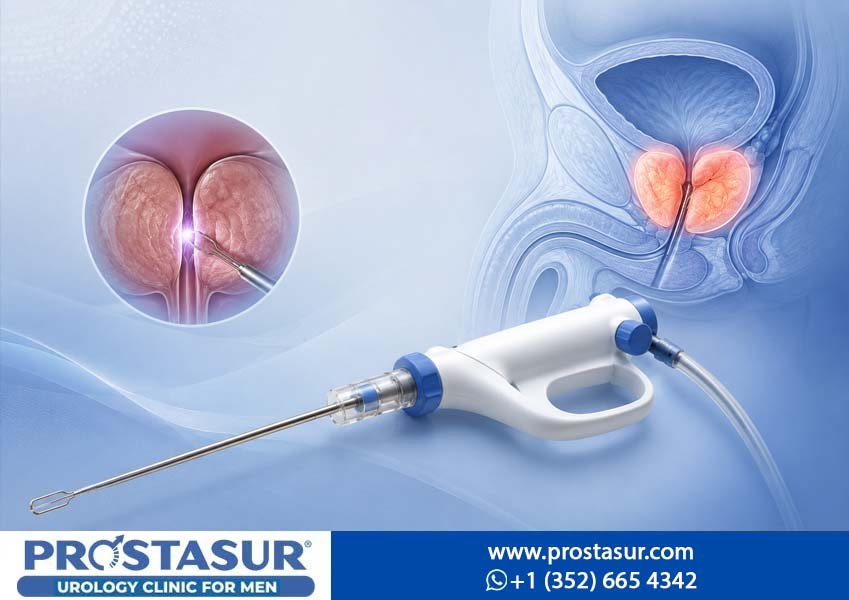
    TURP (Transurethral Resection of the Prostate) is a minimally invasive surgical procedure performed through the urethra without the need for external incisions.

    During the surgery, the urologist inserts an instrument called a resectoscope through the penis until reaching the prostate. Using electrical energy, the obstructive prostate tissue is removed to improve urine flow.

    The main objective is to improve urination and relieve urinary symptoms.

    When is TURP recommended?

    TURP is usually recommended for patients who present:

    • Moderate to severe urinary symptoms.
    • Poor response to medical treatment.
    • Urinary retention.
    • Recurrent urinary tract infections.
    • Urinary bleeding related to the prostate.
    • Kidney damage secondary to obstruction.
    • Presence of bladder stones.

    The decision should always be individualized according to the patient’s age, prostate size, overall health, and quality of life.

    How is the procedure performed?

    The surgery is generally performed under regional or general anesthesia.

    Procedure steps:

    1. Introduction of the resectoscope through the urethra.
    2. Direct visualization of the prostate.
    3. Resection of the obstructive prostate tissue.
    4. Coagulation of blood vessels to reduce bleeding.
    5. Temporary placement of a urinary catheter.

    The average duration of the procedure usually ranges from 60 to 90 minutes depending on the size of the prostate.

    Recovery after TURP

    After surgery, the patient usually remains hospitalized for 1 to 3 days.

    A urinary catheter is commonly placed during the first hours or days to facilitate urine drainage and prevent obstruction from blood clots.

    During recovery, patients may experience:

    • Mild burning during urination.
    • Blood in the urine.
    • Temporary increase in urinary frequency.
    • Urinary urgency.

    Most patients experience significant improvement in urinary flow within a few weeks after the procedure.

    Benefits of TURP

    Among the main advantages of TURP are:

    • Significant improvement in urinary symptoms.
    • Increased urinary flow.
    • Reduction of urinary retention.
    • Procedure without external incisions.
    • Relatively fast recovery.
    • Long-lasting results.

    Risks and possible complications

    Like any surgical procedure, TURP may involve some complications, although many are uncommon.

    These may include:

    • Bleeding.
    • Urinary tract infection.
    • Urethral stricture.
    • Temporary urinary incontinence.
    • Retrograde ejaculation.
    • Erectile dysfunction (less common).
    • Need for future reintervention.

    It is important for the patient to undergo a complete medical evaluation before the procedure.

    TURP vs other treatments

    Currently, there are other surgical options available for the treatment of prostate enlargement, such as:

    • HoLEP (Holmium Laser Enucleation of the Prostate).
    • GreenLight laser.
    • Aquablation.
    • UroLift.
    • Open prostatectomy.

    However, TURP continues to be a widely used technique because of its effectiveness and the extensive experience accumulated over decades.


    Remember that at Prostasur, a urology clinic, we are here to serve you.

    ☎️ Appointments: 9995 14 31 65

    ✉️ Mail: info@prostasur.mx

    Prostasur

    COFEPRIS 213301202A0698
  • HoLEP: The Laser Surgery Transforming the Treatment of Enlarged Prostate

    HoLEP: The Laser Surgery Transforming the Treatment of Enlarged Prostate

    ☎️ Appointments: 9995 14 31 65

    ✉️ Mail: info@prostasur.mx

    Mérida, Yucatán 

    Blog Prostasur

    Urology clinic for men

    HoLEP: The Laser Surgery Transforming the Treatment of Enlarged Prostate

    As men age, it becomes quite common to experience urinary problems: waking up several times during the night to urinate, difficulty starting urination, feeling unable to completely empty the bladder, or having a weak urinary stream. Although many people believe this is simply “normal with age,” it is often related to a condition called benign prostatic hyperplasia (BPH), a non-cancerous enlargement of the prostate.

    Among the most advanced treatments for this condition is HoLEP, a minimally invasive technique that has gained worldwide recognition for its effectiveness, fast recovery, and long-lasting results.

    What is HoLEP?

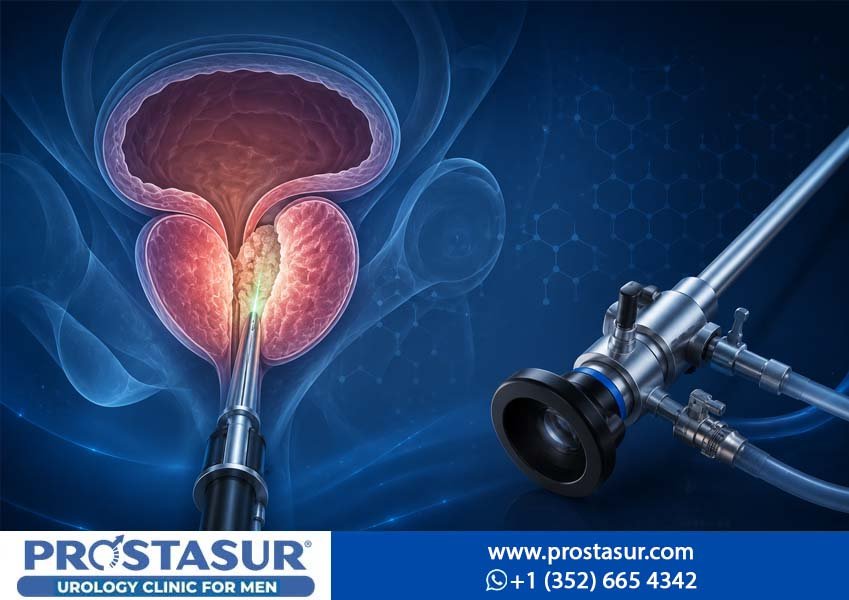
    HoLEP stands for Holmium Laser Enucleation of the Prostate. It is a surgical procedure that uses a highly precise laser to remove the prostate tissue blocking the flow of urine.

    Unlike traditional surgeries, HoLEP does not require external incisions. The entire procedure is performed through the urethra using endoscopic instruments and laser technology.

    The primary goal is to relieve the obstruction caused by the enlarged prostate, allowing urine to flow normally again.

    Why Does an Enlarged Prostate Cause Problems?

    The prostate surrounds the urethra, the tube through which urine exits the bladder. When the prostate increases in size, it begins to compress this channel, creating urinary symptoms that can significantly affect quality of life.

    Some of the most common symptoms include:

    • Frequent urination.
    • Waking up several times during the night to urinate.
    • Difficulty starting urination.
    • Weak urinary stream.
    • Feeling of incomplete bladder emptying.
    • Urinary urgency.
    • Recurrent urinary tract infections.
    • Urinary retention.

    In advanced cases, benign prostatic hyperplasia can lead to bladder damage and may even affect kidney function.

    How Does the Procedure Work?

    During surgery, the specialist inserts a thin instrument through the urethra. The holmium laser then carefully separates the obstructive prostate tissue from the prostate capsule.

    Once detached, the tissue is fragmented and removed from the bladder. This opens the urinary channel and significantly improves urine flow.

    The surgery usually lasts between one and three hours, depending on the size of the prostate.

    Main Advantages of HoLEP

    One of the reasons HoLEP has become so popular is because of its multiple advantages compared to traditional techniques.

    1. Minimally Invasive

    It does not require external incisions, which reduces postoperative pain and speeds up recovery.

    1. Less Bleeding

    The laser seals blood vessels during the procedure, significantly reducing the risk of bleeding.

    1. Faster Recovery

    Many patients are able to return home the next day, and some even on the same day.

    1. Effective for Large Prostates

    Unlike other procedures, HoLEP is highly effective even for very large prostates.

    1. Long-Lasting Results

    Because a substantial amount of prostate tissue is removed, the chances of needing another surgery in the future are low.

    1. Shorter Catheter Time

    In most cases, the urinary catheter is removed within 24 hours.

    Who Are Candidates for HoLEP?

    HoLEP is generally recommended for men with moderate to severe urinary symptoms caused by benign prostatic hyperplasia, especially when:

    • Medications are no longer effective.
    • Urinary retention is present.
    • Recurrent urinary tract infections occur.
    • Bladder stones are present.
    • There is urinary bleeding.
    • The prostate is significantly enlarged.

    It is also commonly recommended for patients with a high risk of bleeding or those taking blood thinners.

    Recovery After Surgery

    Recovery is usually faster compared to other prostate procedures.

    During the first few days, it is normal to experience:

    • Burning sensation during urination.
    • Mild blood in the urine.
    • Increased urinary frequency.
    • Urgency to urinate.

    These symptoms typically improve progressively over the following weeks.

    Doctors generally recommend:

    • Drinking plenty of water.
    • Avoiding intense physical activity.
    • Not lifting heavy objects.
    • Temporarily avoiding sexual activity.
    • Following medical instructions carefully.

    Possible Side Effects and Risks

    Although HoLEP is considered a safe procedure, like any surgery, it may involve some complications.

    The most common include:

    • Retrograde ejaculation.
    • Temporary urinary incontinence.
    • Urinary tract infection.
    • Mild bleeding.
    • Urinary burning.

    In most cases, these symptoms are temporary and improve over time.

    A New Stage in Men’s Urinary Health

    For years, many men normalized urinary symptoms that affected their sleep, energy, and quality of life. Today, thanks to technological advances, there are less invasive and far more effective treatments available.

    HoLEP represents one of the most modern options for treating an enlarged prostate, offering faster recovery, fewer complications, and a better quality of life for thousands of patients.

    The most important thing to remember is that urinary symptoms should never be ignored. Consulting a specialist can make a significant difference in long-term health and well-being.

    Remember that at Prostasur, a urology clinic, we are here to serve you.

    ☎️ Appointments: 9995 14 31 65

    ✉️ Mail: info@prostasur.mx

    Prostasur

    COFEPRIS 213301202A0698
  • Holmium Laser Surgery for Prostate Enlargement

    Holmium Laser Surgery for Prostate Enlargement

    ☎️ Appointments: 9995 14 31 65

    ✉️ Mail: info@prostasur.mx

    Mérida, Yucatán 

    Blog Prostasur

    Urology clinic for men

    Holmium Laser Surgery for Prostate Enlargement

    (A modern, safe, and effective alternative)

    What is prostate enlargement?

    Benign prostate enlargement, medically known as Benign Prostatic Hyperplasia, is a very common condition in men over 40–50 years old. It involves an increase in the size of the prostate, which can compress the urethra and make urination difficult.

    Most common symptoms:

    • Difficulty starting urination
    • Weak urinary stream
    • Feeling of incomplete bladder emptying
    • Increased frequency of urination (especially at night)
    • Urinary urgency

    When these symptoms significantly affect quality of life and do not improve with medication, surgical treatment is considered.

    What is holmium laser surgery?

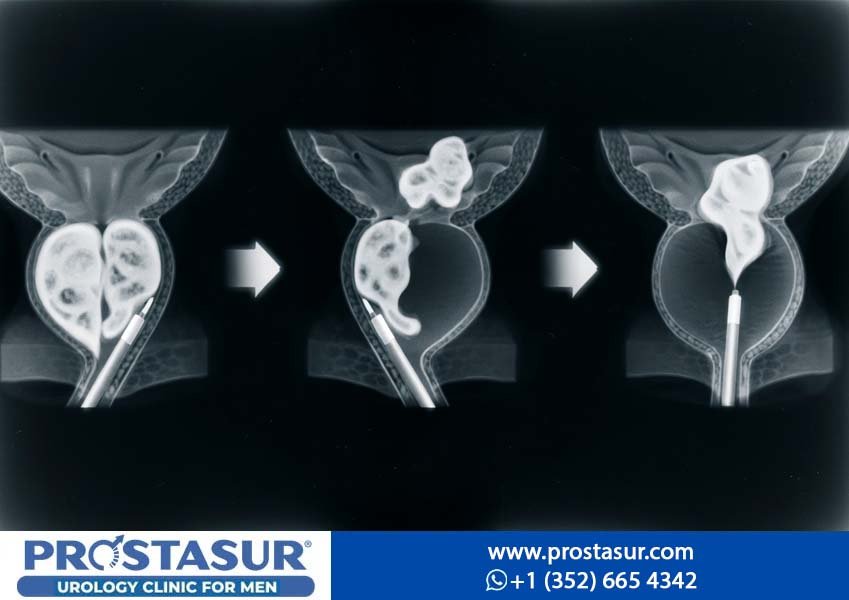
    Holmium laser surgery, known as Holmium Laser Enucleation of the Prostate, is a minimally invasive technique used to treat prostate enlargement.

    It uses a specialized laser (Holmium Laser) to remove the prostate tissue that is blocking urine flow.

    How is the procedure performed?

    • An endoscope is inserted through the urethra (no external incisions).
    • The laser separates and cuts the enlarged prostate tissue.
    • The tissue is fragmented and removed from the bladder.

    The entire procedure is performed under anesthesia and usually lasts between 1 and 2 hours, depending on prostate size.

    Advantages of holmium laser surgery

    This technique has gained popularity due to several benefits compared to traditional procedures such as TURP:

    1. High effectiveness

    It completely removes obstructive tissue, reducing the need for reoperation.

    1. Less bleeding

    Ideal for patients taking anticoagulants or with higher surgical risk.

    1. Faster recovery
    • Shorter hospital stay
    • Earlier catheter removal
    1. Suitable for large prostates

    Unlike other techniques, it can be used even in very large prostates.

    Risks and possible side effects

    Although it is a safe procedure, some effects may occur:

    • Burning sensation during urination (temporary)
    • Mild urinary incontinence (usually temporary)
    • Retrograde ejaculation (common)
    • Urinary tract infection

    Most of these effects are temporary and improve over time.

    Who are candidates?

    This procedure is indicated for patients with:

    • Moderate to severe symptoms of prostate enlargement
    • Poor response to medical treatment
    • Urinary retention
    • Recurrent urinary tract infections
    • Bladder or kidney damage due to obstruction

    Recovery

    After surgery:

    • Patients can go home within 24–48 hours
    • It is recommended to avoid intense physical activity for 2–3 weeks
    • Improvement in urinary flow is usually immediate

    Remember that at Prostasur, a urology clinic, we are here to serve you.

    ☎️ Appointments: 9995 14 31 65

    ✉️ Mail: info@prostasur.mx

    Prostasur

    COFEPRIS 213301202A0698

  • HPV Vaccine: A Key Tool in Cancer Prevention

    HPV Vaccine: A Key Tool in Cancer Prevention

    ☎️ Appointments: 9995 14 31 65

    ✉️ Mail: info@prostasur.mx

    Mérida, Yucatán 

    Blog Prostasur

    Urology clinic for men

    HPV Vaccine: A Key Tool in Cancer Prevention

    The Human Papillomavirus (HPV) is one of the most common sexually transmitted infections worldwide. It is estimated that most sexually active people will come into contact with this virus at some point in their lives. While many infections go away on their own, some can lead to serious diseases, including cancer.

    The good news is that there is a highly effective tool to prevent its consequences: the HPV vaccine.

    What is HPV?

    HPV is a group of more than 200 related viruses. Some types are considered low-risk and can cause genital warts, while others are high-risk and are associated with several types of cancer, such as:

    • Cervical cancer
    • Anal cancer
    • Penile cancer
    • Throat cancer (oropharyngeal)

    Among the most dangerous types are HPV 16 and 18, which are responsible for most cases of cervical cancer.

    What is the HPV vaccine?

    The HPV vaccine is a preventive measure designed to protect against the types of the virus that most commonly cause cancer and genital warts.

    It does not contain live virus, so it cannot cause infection. Its function is to train the immune system to recognize and fight the virus before it can cause harm.

    Who should get vaccinated?

    The vaccine is mainly recommended for:

    • Girls and boys aged 9 to 14 (ideally before the start of sexual activity)
    • Adolescents and young adults up to age 26
    • In some cases, older individuals may benefit based on medical evaluation

    Vaccinating boys is also important, as HPV affects both sexes and they can transmit the virus or develop related diseases.

    Vaccination schedule

    The schedule depends on age:

    • Ages 9 to 14: 2 doses (6 months apart)
    • Age 15 and older: 3 doses

    Completing the full schedule is essential to ensure adequate protection.

    How effective is the vaccine?

    The HPV vaccine is highly effective. Studies have shown that it:

    • Prevents most infections caused by high-risk HPV types
    • Significantly reduces the risk of cervical cancer
    • Decreases the occurrence of genital warts

    In countries with high vaccination coverage, a notable reduction in precancerous lesions has already been observed.

    Is it safe?

    Yes. The HPV vaccine has been extensively studied and monitored worldwide.

    Side effects are usually mild and temporary, such as:

    • Pain at the injection site
    • Mild fever
    • Headache

    Serious adverse events are extremely rare.

    Common myths

    “Only women should get vaccinated”

    False. Men can also become infected, transmit the virus, and develop cancer.

    “If I am already sexually active, it’s too late”

    Incorrect. The vaccine can still provide protection against HPV types you have not been exposed to.

    “The vaccine promotes sexual activity”

    There is no evidence to support this claim.

    Importance of vaccination

    Cervical cancer remains one of the leading causes of death among women in many countries. Vaccination, along with screening (such as the Pap smear), represents the most effective strategy to reduce its impact.


    Remember that at Prostasur, a urology clinic, we are here to serve you.

    ☎️ Appointments: 9995 14 31 65

    ✉️ Mail: info@prostasur.mx

    Prostasur

    COFEPRIS 213301202A0698

  • Foods That Boost Testosterone Naturally

    Foods That Boost Testosterone Naturally

    ☎️ Appointments: 9995 14 31 65

    ✉️ Mail: info@prostasur.mx

    Mérida, Yucatán 

    Blog Prostasur

    Urology clinic for men

    Foods That Boost Testosterone Naturally

    Testosterone is a key hormone in the human body, especially in men, as it influences muscle mass, energy levels, libido, mood, and overall health. Although its production naturally declines with age, there are ways to optimize it—and one of the most effective is through nutrition.

    Below, you’ll find which foods can help improve your testosterone levels naturally and why they work.

    Why Does Diet Influence Testosterone?

    Testosterone production depends on several factors: healthy cholesterol levels, vitamins (such as D and B), minerals (such as zinc and magnesium), and proper hormonal balance.

    A poor diet can reduce hormone production, while a strategic diet can enhance it.

    1. Eggs: Healthy Cholesterol for Testosterone Production

    Eggs are an excellent source of healthy cholesterol, which is necessary for testosterone synthesis. They also contain vitamin D, which is directly linked to higher hormone levels.

    How to consume them:
    Whole (including the yolk), preferably at breakfast.

    1. Lean Red Meat: Rich in Zinc

    Red meat is one of the best sources of zinc, a key mineral in testosterone production. Zinc deficiency is associated with low testosterone levels.

    Examples:

    • Beef
    • Lamb

    Important: Consume in moderation.

    1. Avocado: Healthy Fats That Regulate Hormones

    Avocado is rich in monounsaturated fats, essential for hormone production. It also contains vitamin B6, which helps regulate cortisol (a stress hormone that lowers testosterone).

    1. Nuts: Zinc, Magnesium, and Healthy Fats

    Almonds, walnuts, and cashews provide essential minerals for hormone production.

    Key benefit:
    Magnesium may increase free testosterone levels in the body.

    1. Fatty Fish: Omega-3 and Vitamin D

    Fish such as salmon, tuna, and sardines are rich in omega-3 fatty acids and vitamin D, both associated with higher testosterone levels.

    1. Cruciferous Vegetables: Hormonal Balance

    Broccoli, cauliflower, and cabbage help reduce estrogen levels in the body, allowing testosterone to have a greater effect.

    1. Garlic: A Natural Booster

    Garlic contains allicin, a compound that helps reduce cortisol. Lower cortisol means better conditions for testosterone production.

    1. Ginger: Improves Hormonal Function

    Several studies suggest that ginger may increase testosterone levels and improve male fertility.

    1. Pomegranate: Impact on Testosterone and Mood

    Pomegranate is rich in antioxidants and has been linked to increased testosterone levels, as well as improved mood.

    1. Spinach: A Source of Magnesium

    Spinach is rich in magnesium, a mineral that helps increase free testosterone, especially in active individuals.

    Factors That Lower Testosterone (and You Should Avoid)

    It’s not just about what you eat—it’s also about what you avoid:

    • Excess sugar
    • Excess alcohol
    • Lack of sleep
    • Chronic stress
    • Sedentary lifestyle

    Remember that at Prostasur, a urology clinic, we are here to serve you.

    ☎️ Appointments: 9995 14 31 65

    ✉️ Mail: info@prostasur.mx

    Prostasur

    COFEPRIS 213301202A0698
  • Early Detection of Prostate Cancer: What Every Man Should Know

    Early Detection of Prostate Cancer: What Every Man Should Know

    ☎️ Appointments: 9995 14 31 65

    ✉️ Mail: info@prostasur.mx

    Mérida, Yucatán 

    Blog Prostasur

    Urology clinic for men

    Early Detection of Prostate Cancer: What Every Man Should Know

    Prostate cancer is one of the most common types of cancer in men worldwide. Despite its high incidence, when detected early, it has a high probability of successful treatment. The key lies in early detection.

    What is prostate cancer?

    The prostate is a small gland located below the bladder and in front of the rectum, whose main function is to produce part of the seminal fluid. Prostate cancer occurs when the cells of this gland begin to grow uncontrollably.

    In its early stages, this type of cancer usually does not present symptoms, making early detection even more important.

    Why is early detection important?

    Most prostate cancers grow slowly. When detected early:

    • It can be treated before it spreads
    • The chances of cure are high
    • Serious complications can be avoided

    On the other hand, when detected at advanced stages, it can spread to other organs such as bones and lymph nodes, making treatment more difficult.

    Risk factors

    There are factors that increase the likelihood of developing prostate cancer:

    • Age: higher risk after age 50
    • Family history (father or brothers with prostate cancer)
    • Race (higher incidence in men of African descent)
    • High-fat diet and sedentary lifestyle

    Screening methods

    Early detection is mainly based on two tests:

    1. Prostate-Specific Antigen (PSA)

    This is a blood test that measures the levels of a protein produced by the prostate. Elevated levels may indicate:

    • Prostate cancer
    • Inflammation (prostatitis)
    • Benign prostate enlargement

    It is not a definitive diagnosis, but it is a key tool to identify potential issues.

    1. Digital rectal exam (DRE)

    This is a physical examination in which the doctor evaluates the prostate through the rectum to detect irregularities, hardness, or enlargement.

    Although it may cause discomfort or resistance, it is quick, simple, and can save lives.

    When should screening begin?

    It is recommended:

    • Men without risk factors: starting at age 50
    • Men with family history: from ages 40–45

    The frequency of testing depends on initial results and medical evaluation.

    Warning signs (advanced stages)

    In early stages, there are usually no symptoms. When they appear, they may include:

    • Difficulty urinating
    • Weak urine flow
    • Blood in urine or semen
    • Pain in the lower back, hips, or pelvis

    It is important not to wait for symptoms before seeing a doctor.

    Common barriers: fear and misinformation

    Many men avoid screening due to:

    • Fear of diagnosis
    • Embarrassment or discomfort (especially with DRE)
    • Lack of information

    However, ignoring the problem does not make it go away. Early detection can make the difference between a simple treatment and an advanced disease.


    Remember that at Prostasur, a urology clinic, we are here to serve you.

    ☎️ Appointments: 9995 14 31 65

    ✉️ Mail: info@prostasur.mx

    Prostasur

    COFEPRIS 213301202A0698